
Every transfer on the Ethereum network leaves a permanent, public record, yet most traders never examine it. Etherscan turns that record into something readable. Understanding what is Etherscan allows traders to confirm transfers, study wallet activity and approach the market with sharper information.
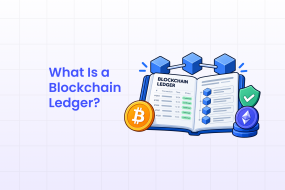
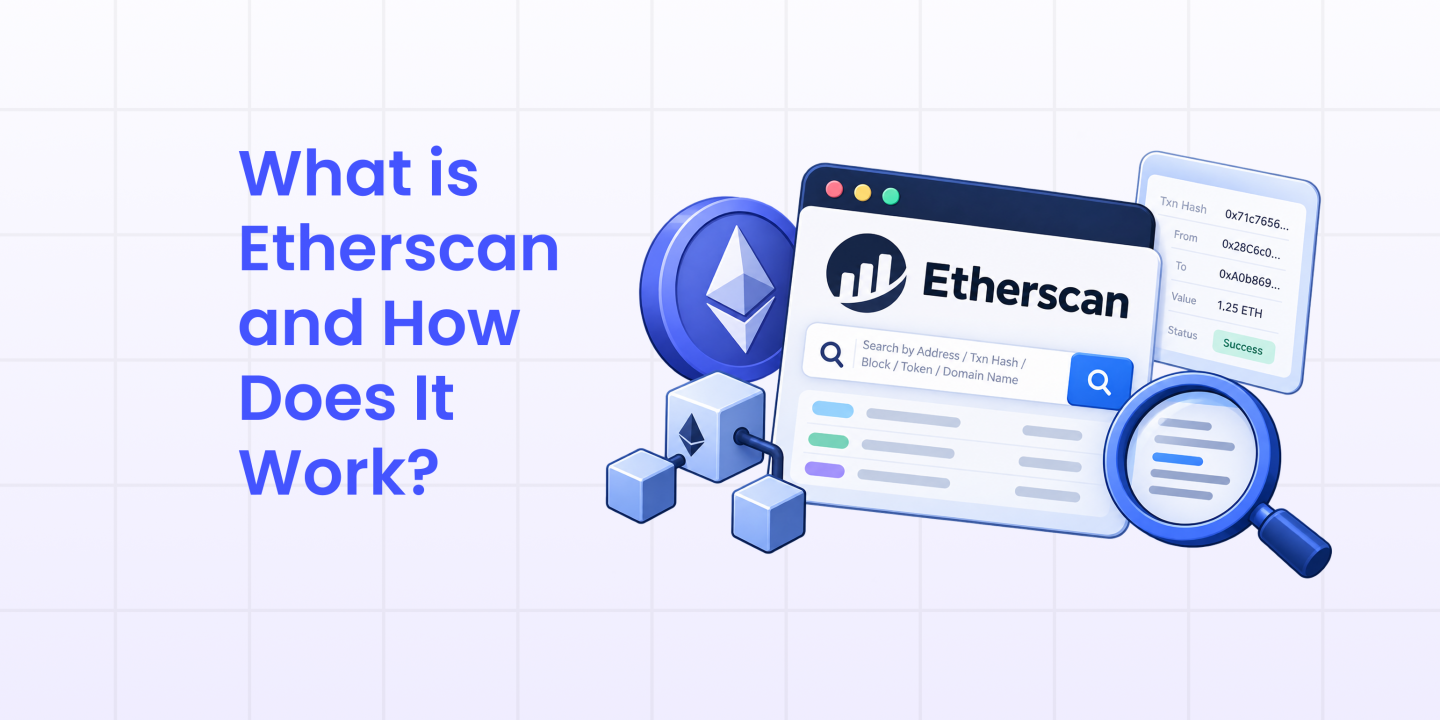
Etherscan is a block explorer (a search engine for blockchain data) built specifically for Ethereum. Anyone wondering what does Etherscan, ask what is a blockchain ledger first. It is the shared record that every participant can inspect independently. Now, picture Etherscan as a public window into this ledger.
Etherscan operates in three stages:
- It retrieves data directly from Ethereum nodes in near real-time.
- It organises and stores a complete history of blocks, transactions and contracts.
- It presents that information through a searchable interface that requires no coding knowledge.
Notably, Etherscan is not a wallet and never holds funds. Those exploring what is crypto wallet will find that Etherscan only reads balances; it cannot move them.
What is Etherscan Used For?
The practical answer to what is Etherscan used for extends well beyond checking whether a transfer succeeded. It serves as a verification and research tool that rewards patient users.
Traders and analysts typically rely on Etherscan for the following purposes:
- Confirming transaction status, timestamps and the exact amounts involved.
- Reviewing gas fees (the cost paid to process a transaction on Ethereum).
- Tracking wallet balances, token holdings and non-fungible token transfers.
- Inspecting smart contracts (self-executing programmes stored on the blockchain) before interacting with them.
- Conducting on-chain analysis through metrics such as active addresses, exchange inflows and large wallet movements.
That final use case matters most for futures traders. Sustained outflows from exchange wallets, for instance, often indicate accumulation, while sudden inflows may precede selling pressure.
How to Use Etherscan
Learning how to use Etherscan requires no account and no subscription. The platform depends on a single identifier entered into the search bar.
The process follows four straightforward steps:
- Copy a wallet address, transaction hash (the unique identifier assigned to every transaction) or contract address.
- Paste the identifier into the search field on the Etherscan homepage.
- Review the resulting page, which displays the balance, transaction history and associated tokens.
- Open the gas tracker or analytics tabs for network-wide conditions and historical trends.
Benefits and Limitations of Etherscan
Etherscan demonstrates the transparency that defines blockchain technology, though it carries clear boundaries.
The main advantages include free access, real-time data and complete independence from any intermediary. Its limitations deserve equal attention.
- Etherscan covers Ethereum and compatible networks only, so Bitcoin or Solana activity requires different explorers.
- Raw data offers no interpretation, and beginners frequently misread contract interactions.
- Address poisoning scams, where fraudsters send tiny transfers from lookalike addresses, exploit careless copying from transaction histories.
- Activity executed on a centralised crypto exchange platform settles off-chain and therefore never appears.
Turning Blockchain Data into Better Decisions
Etherscan rewards traders who verify rather than assume. Pi42 encourages this habit, pairing on-chain awareness with disciplined risk management.
FAQs About Etherscan
1) What is Etherscan mainly used for?
Etherscan is used to explore and verify Ethereum blockchain data, including transactions, wallet activity, token transfers, smart contracts and gas fees.
2) Can Etherscan show my crypto balance?
Yes. You can enter a public wallet address to view its ETH balance and token holdings. However, Etherscan cannot access or move the funds in that wallet.
3) How can I check whether an Ethereum transaction is successful?
Search for the transaction hash on Etherscan. The transaction page shows its status, timestamp, amount and other details.
4) Can I use Etherscan to track another wallet?
Yes. If you have a public wallet address, you can view its transaction history, token transfers and other publicly available blockchain activity.
5) Does Etherscan show transactions made on crypto exchanges?
Not always. Transactions settled internally by centralised exchanges may not appear on the blockchain because they are recorded off-chain.
6) Is Etherscan free to use?
Yes, Etherscan provides public access to Ethereum blockchain data without requiring a paid subscription or account.

Sarvesh Pandey is a growth marketing professional at pi42, where he leads digital acquisition, partnerships, and user growth initiatives in India’s evolving crypto ecosystem. With experience across fintech, EdTech, and consumer internet brands, he shares insights on crypto adoption, trading trends, and performance-led growth strategies.
- Big Loot September: Trade & Win a BMW Bike 🏍️
 Big Loot September is Pi42’s biggest reward drop of the… Read more: Big Loot September: Trade & Win a BMW Bike 🏍️
 - Pi42 Week of Wins: Trade & Win a New iPhone This September
 Pi42 Week of Wins is a September contest where every… Read more: Pi42 Week of Wins: Trade & Win a New iPhone This September
 - Chandi Utsav: Refer and Win Silver Coin
 This September, turn your referrals into something worth its weight!… Read more: Chandi Utsav: Refer and Win Silver Coin
 - Booked by Pi42: Amsterdam Awaits — Trade More, Travel More ✈️
 Booked by Pi42 is a trading contest that could send… Read more: Booked by Pi42: Amsterdam Awaits — Trade More, Travel More ✈️
 - Pi42 Bandhan Bonus: Win Amazon Gift Vouchers This Rakhi
 Pi42 Bandhan Bonus is a Rakhi referral contest where you… Read more: Pi42 Bandhan Bonus: Win Amazon Gift Vouchers This Rakhi