
Key Takeaways:
- What is scalp trading? It is a short-term trading strategy focused on capturing small price movements.
- Scalping in crypto involves opening and closing trades within minutes or seconds.
- Technical indicators and risk management are essential for successful scalp trading.
- Crypto scalping can generate frequent profits but requires discipline and fast decision-making.
When learning what is scalp trading, traders must understand the importance of speed, discipline, and strategy in volatile markets. Scalp trading in crypto futures is an intricate dance of timing, strategy, and discipline.
While it offers the potential for quick and frequent profits, it demands a meticulous approach and a deep understanding of market dynamics.
In this guide, we will demystify the concept of scalping, exploring what it entails and providing insights on how you can kickstart your journey towards lucrative trading in crypto future.
What is Scalping in Crypto Futures?
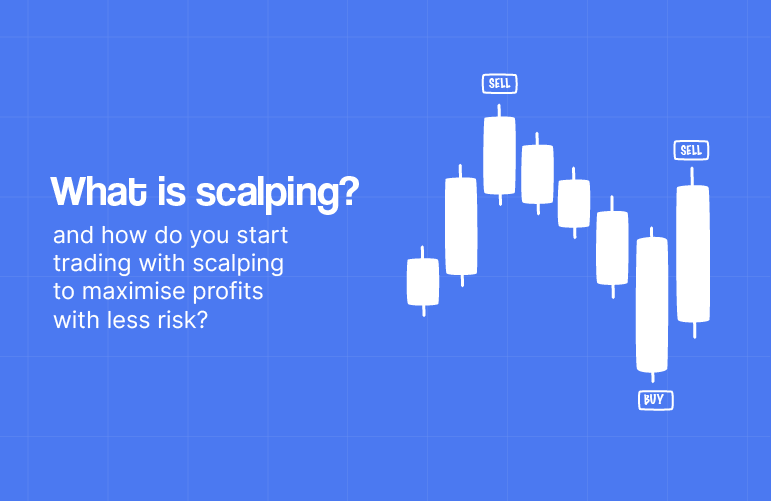
Scalping is a trading strategy characterised by making numerous small and rapid trades to capitalise on minor price movements.
Traders, known as scalpers, aim to “scalp” small profits consistently throughout the day, taking advantage of market inefficiencies and price fluctuations.
In the context of crypto futures, scalping involves opening and closing positions in a short time frame, often within minutes or even seconds.
Many beginners searching for what is scalping often discover that the strategy focuses on high-frequency trading opportunities instead of long-term holding.
Key Elements of Scalping
1. Time Frame for Crypto Scalping
Unlike long-term strategies, scalping operates on extremely short time frames. Crypto futures scalpers typically focus on the one-minute or five-minute charts to identify quick entry and exit points.
2. Technical Analysis for Crypto Scalping
Scalping heavily relies on technical analysis, as traders need to identify patterns, trends, and support/resistance levels swiftly.
Analytical tools, charts, and indicators become essential in making split-second decisions.
Some technical indicators one can use for scalp trading crypto are –
Moving Averages
Moving averages help identify trends and smooth out price data. Short-term averages like the 5-minute or 15-minute MA are particularly useful for scalping.
RSI (Relative Strength Index)
The RSI helps determine overbought or oversold conditions. Traders use it to spot potential reversal points.
MACD (Moving Average Convergence Divergence)
MACD is a momentum indicator that shows changes in the strength, direction, and duration of a trend, helping scalpers make quick decisions.
Understanding what is scalping strategy becomes easier when traders combine these indicators with disciplined execution.
The Role of Leverage in Crypto Scalping
Leverage trading can amplify profits in crypto scalping, as small price movements can yield significant returns when leverage is used.
However, it also increases risk. Misusing leverage can lead to larger losses due to the fast pace of scalping trades.
Traders should use low leverage and ensure risk management is in place to protect capital.
This is why many traders researching what is scalp trading in crypto focus heavily on leverage control and position sizing.
4. Risk Management in Crypto Futures Scalping
Given the high frequency of trades, effective risk management is crucial in scalping.
Some risk management strategies are –
Importance of Stop-Loss Orders
Setting tight stop-loss orders is crucial in scalping to limit potential losses, given the quick pace of trades.
Position Sizing
Proper position sizing ensures that each trade has a controlled risk. Avoid risking too much on a single trade.
Managing Emotions and Staying Disciplined
Scalp trading demands a disciplined approach. Emotional trading can lead to losses, so it’s essential to stick to a well-planned strategy.
Learning what is scalping trading strategy also means understanding that emotional control is just as important as technical analysis.
Pros & Cons of Scalp Trading
| Pros | Cons |
|---|---|
| Potential for frequent profits | Requires high focus and attention |
| Leverage small price movements effectively | High risk due to quick decisions |
| Can be done in volatile markets | May lead to higher transaction costs |
Start Your Scalping Journey in Crypto Futures on Pi42
1. Develop a Scalping Strategy
Create a clear and well-defined scalping strategy tailored to your risk tolerance and trading style.
This should include criteria for entering and exiting trades, risk management rules, and guidelines for adapting to changing market conditions.
2. Start Small
Initiate your scalping journey with small amounts to minimise risk while gaining practical experience.
As you become more comfortable and confident in your strategy, you can gradually increase your position sizes.
3. Stay Informed
Cryptocurrency markets are highly influenced by news and events.
Stay informed about market developments, regulatory changes, and industry news that could impact your trades.
4. Constantly Evaluate and Adjust
Scalping requires constant adaptation to market conditions.
Regularly evaluate the performance of your strategy, identify areas for improvement, and be willing to adjust your approach based on evolving market dynamics.
Many traders active in scalping in crypto continuously refine their strategy based on volatility, liquidity, and execution speed.
Conclusion: What Is Scalp Trading in Crypto Futures?
In the fast-paced world of crypto futures trading, where opportunities arise and fade in the blink of an eye, mastering the art of scalping can be your ticket to maximising profits with less risk.
By educating yourself, and developing a sound strategy, you can unlock the door to a world where profits come in swift, controlled bursts, minimising risk and maximising your potential gains.
Platforms like Pi42 provide traders with the tools needed to execute fast and efficient scalping strategies in crypto futures markets.
Embrace the art of scalping, and let the crypto futures market become your canvas for financial success while understanding what is scalp trading and how it works in real-time market conditions.
FAQs About Scalp Trading in Crypto Futures
1) What is scalp trading in crypto?
Scalp trading in crypto is a short-term trading strategy where traders open and close positions quickly to profit from small price movements.
2) What is scalping in trading?
Scalping in trading refers to executing multiple rapid trades throughout the day to capture small but frequent profits.
3) What is scalping strategy in crypto futures?
A scalping strategy in crypto futures involves using technical analysis, short time frames, and fast execution to take advantage of market volatility.
4) Is scalping in crypto profitable?
Yes, scalping in crypto can be profitable when traders use disciplined risk management, strong technical analysis, and proper execution strategies.
5) What is scalping trading strategy best suited for?
Scalping trading strategy is best suited for highly liquid and volatile markets where traders can frequently enter and exit positions quickly.

- Pi42 Snap Fiesta: Refer and Win an Instax Camera This October 📸
 Pi42 Snap Fiesta is an October referral contest that turns… Read more: Pi42 Snap Fiesta: Refer and Win an Instax Camera This October 📸
 - Pi42 BIG TAG: Refer and Win Nothing Buds This September
 Pi42 BIG TAG is a September referral contest that turns… Read more: Pi42 BIG TAG: Refer and Win Nothing Buds This September
 - Leverage in Crypto Trading: Meaning, Benefits & Risks
 Few tools attract as much attention, or cause as much… Read more: Leverage in Crypto Trading: Meaning, Benefits & Risks
 - Big Loot September: Trade & Win a BMW Bike 🏍️
 Big Loot September is Pi42’s biggest reward drop of the… Read more: Big Loot September: Trade & Win a BMW Bike 🏍️
 - Pi42 Week of Wins: Trade & Win a New iPhone This September
 Pi42 Week of Wins is a September contest where every… Read more: Pi42 Week of Wins: Trade & Win a New iPhone This September