

At Pi42, we know navigating the ever-changing world of crypto can be overwhelming, especially when crypto FOMO starts to creep in. The market moves fast, and traders often feel pressured to act instantly, but managing emotions is key to long-term success.
What is Crypto FOMO?
Imagine you’re at a social gathering where everyone is talking about massive profits from a cryptocurrency. You begin to feel you’ve missed a life-changing opportunity—that’s what is crypto FOMO in action.
This emotional reaction often pushes traders to make poor decisions, such as buying too late or selling too soon. Understanding FOMO in crypto is essential so you don’t let emotions dictate your strategy.
Simply put, what does FOMO mean in crypto? It refers to the fear of missing out on potential profits when cryptocurrency prices are rising rapidly.
Why Does Crypto FOMO Happen?
Several triggers can spark crypto FOMO:
Market Hype and News
Exciting or overhyped news can encourage traders to rush into buying cryptocurrencies without proper analysis.
Influencer Endorsements
Recommendations from celebrities, influencers, or industry leaders can rapidly increase attention toward specific cryptocurrencies, driving emotional buying.
Rapid Price Movements
Sharp price increases often create the feeling that an opportunity is disappearing, encouraging impulsive decisions.
In simple terms, this is the FOMO meaning in crypto—allowing excitement and external noise to override rational trading decisions.
How Pi42 Helps You Beat Crypto FOMO
Pi42 offers several tools that help traders make more informed decisions instead of reacting emotionally.
Educational Resources
Access webinars, tutorials, and articles designed to improve your understanding of cryptocurrency markets and emotional trading behavior.
Market Analysis
Real-time market data, advanced charting tools, and technical indicators—including a crypto FOMO indicator—help traders analyze market conditions objectively instead of following market hype.
Risk Management Tools
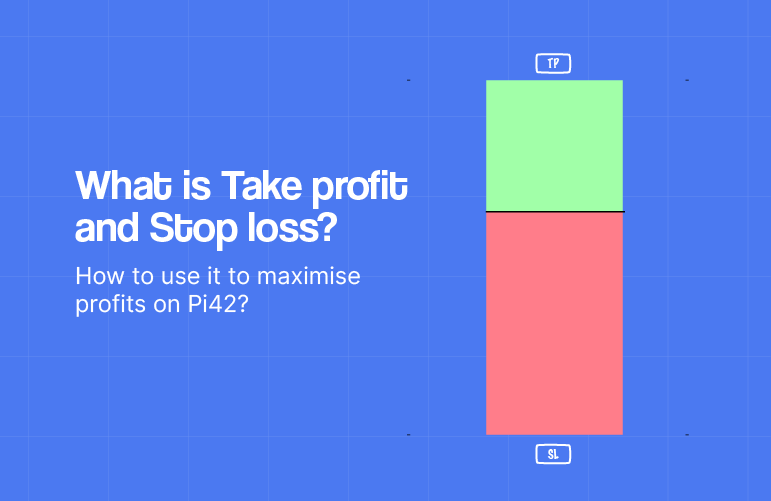
Take-profit and stop-loss orders allow traders to automate exits based on predefined price levels, reducing emotional decision-making during volatile markets.
Developing a Disciplined Trading Mindset
Keeping crypto FOMO under control starts with following a structured trading plan.
Set Clear Goals
Define realistic profit objectives and acceptable risk levels before entering any trade.
Manage Risk
Use stop-loss orders and position sizing to limit potential losses.
Create Entry and Exit Rules
Decide in advance when to enter and exit trades based on technical analysis or predefined market conditions rather than emotions.
Using Technical Indicators
Technical indicators provide objective market data that can reduce emotional decision-making.
Moving Averages
Moving averages smooth price data and help identify overall market trends. Prices trading above the moving average often suggest an upward trend.
Relative Strength Index (RSI)
RSI measures price momentum.
- RSI above 70 may indicate an overbought market.
- RSI below 30 may indicate an oversold market.
Bollinger Bands
Bollinger Bands help measure market volatility.
- Prices touching the upper band may indicate overbought conditions.
- Prices touching the lower band may indicate oversold conditions.
Using technical indicators allows traders to rely on data rather than emotions.
Mastering the Psychology of FOMO
Managing emotions is just as important as understanding charts.
Stay Informed Without Information Overload
Follow reliable market news while avoiding excessive social media influence or unverified rumors.
Practice Patience
Not every market move requires immediate action. Waiting for high-quality trading opportunities often produces better long-term results.
Learn From Previous Trades
Review both successful and unsuccessful trades to identify patterns and improve future decision-making.
Set Realistic Expectations
Accept that losses are part of trading. Long-term success comes from consistency rather than winning every trade.
Practical Ways to Manage Crypto FOMO
Diversify Your Portfolio
Spread investments across different cryptocurrencies rather than concentrating on a single asset.
Review Your Trading Plan Regularly
Evaluate whether your trading decisions continue to align with your long-term objectives.
Practice Mindfulness
Simple techniques such as meditation or deep breathing can help reduce emotional reactions during periods of high market volatility.
Conclusion
Managing crypto FOMO requires discipline, planning, and emotional control. Understanding what does FOMO mean in crypto, following a structured trading plan, using technical indicators, and reviewing your decisions regularly can help you make more confident and informed trading choices.
Whether you’re new to cryptocurrency or an experienced trader, learning to recognize and control cryptocurrency FOMO can significantly improve your long-term trading performance.
FAQs About Crypto FOMO
1) What is crypto FOMO?
Crypto FOMO refers to the fear of missing out on potential profits, causing traders to make emotional decisions based on rapidly rising cryptocurrency prices rather than careful analysis.
2) What does FOMO mean in crypto?
What does FOMO mean in crypto? It stands for “Fear of Missing Out,” describing the emotional urge to buy cryptocurrencies because others appear to be making profits.
3) What is the FOMO meaning in crypto?
The FOMO meaning in crypto is the tendency for traders to follow market hype and crowd sentiment instead of relying on research, trading strategies, and risk management.
4) How can a crypto FOMO indicator help traders?
A crypto FOMO indicator helps traders evaluate market sentiment alongside technical analysis, reducing the likelihood of making impulsive trading decisions during periods of excessive optimism.
5) How can I avoid cryptocurrency FOMO?
To avoid cryptocurrency FOMO, create a clear trading plan, use technical analysis, manage risk with stop-loss orders, avoid hype-driven decisions, and remain patient rather than chasing rapidly rising prices.

- Pi42 Tick Together: Refer and Win an Armani Watch ⌚
 Pi42 Tick Together is a festive-season referral contest where your… Read more: Pi42 Tick Together: Refer and Win an Armani Watch ⌚
 - Pi42 Delisting: 74 USDT Futures Contracts on 29 October 2026
 As part of our periodic Market Quality Review, Pi42 is… Read more: Pi42 Delisting: 74 USDT Futures Contracts on 29 October 2026
 - Pi42 Head to Trade: Trade & Win the Season’s Biggest Prizes 🎮
 Pi42 Head to Trade is a festive-season trading contest where… Read more: Pi42 Head to Trade: Trade & Win the Season’s Biggest Prizes 🎮
 - Pi42 Snap Fiesta: Refer and Win an Instax Camera This October 📸
 Pi42 Snap Fiesta is an October referral contest that turns… Read more: Pi42 Snap Fiesta: Refer and Win an Instax Camera This October 📸
 - Pi42 BIG TAG: Refer and Win Nothing Buds This September
 Pi42 BIG TAG is a September referral contest that turns… Read more: Pi42 BIG TAG: Refer and Win Nothing Buds This September